
Thermal Imaging: Finding Hidden Moisture and Insulation Issues
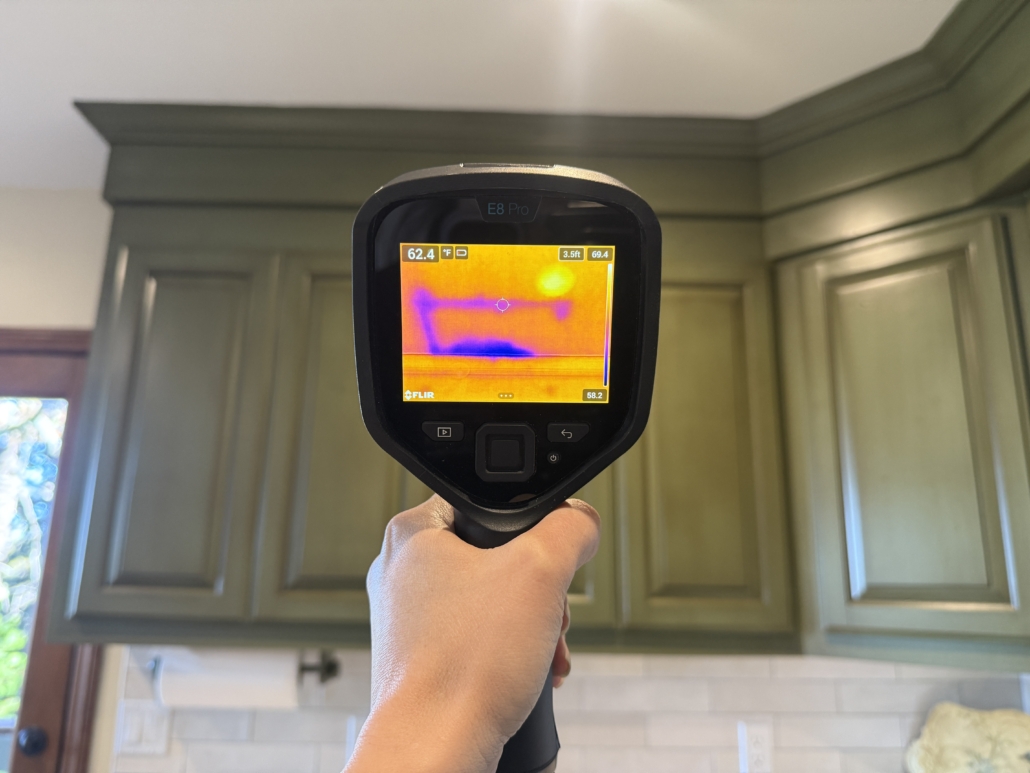
Thermal Imaging: Finding Hidden Moisture and Insulation Issues
Homes in the High Desert face unique challenges, from extreme temperature swings to seasonal moisture intrusion. As a home inspection company based in Hesperia, California, we use thermal imaging technology to help identify hidden issues that may not be visible during a standard visual inspection.
Thermal imaging allows us to locate potential problems such as hidden water leaks, moisture intrusion, and insulation gaps—all without damaging your home.
What Is Thermal Imaging in a Home Inspection? Thermal imaging, also known as infrared inspection, uses a specialized camera to detect surface temperature differences. These differences are displayed as color variations, helping us identify abnormal patterns that may indicate hidden concerns behind walls, ceilings, or other finished surfaces. While thermal imaging does not see through walls, it can reveal temperature anomalies often associated with: Moisture intrusion Plumbing leaks Missing or damaged insulation Air leakage from the exterior
Why Thermal Imaging Is Especially Useful in the High Desert In areas like Hesperia, Victorville, Apple Valley, and surrounding High Desert communities, homes experience hot summers, cold winter nights, and strong winds. These conditions can contribute to: Insulation breakdown or gaps Air leakage around windows and doors Moisture intrusion after rainstorms or roof issues Thermal imaging helps us identify these issues by highlighting temperature inconsistencies caused by the High Desert climate. Detecting Hidden Water Leaks and Moisture Intrusion One of the most valuable uses of thermal imaging during a home inspection is locating hidden moisture. Moist building materials often respond differently to temperature changes, creating patterns that stand out during an infrared scan. Examples include: Plumbing leaks inside walls or ceilings Moisture intrusion from roof penetrations Water entry around windows or exterior walls
These problems can exist long before visible staining, warping, or mold growth becomes apparent. Confirming Moisture with a Moisture Meter Thermal imaging helps us identify areas of concern, but it does not measure moisture directly. When a suspicious thermal pattern is found, we use a moisture meter to confirm elevated moisture levels in materials such as drywall, wood, or flooring. Using both tools together allows us to: Confirm whether moisture is present Avoid false positives Provide clear, accurate inspection findings
This combination gives homeowners confidence in the results. Identifying Insulation Gaps and Energy Loss Thermal imaging is also an effective way to identify insulation issues common in High Desert homes, including: Missing insulation Displaced or compressed insulation Air leakage around doors, windows, and attic access points Poor insulation can lead to: Higher energy bills Uneven indoor temperatures Reduced comfort during extreme heat and cold By identifying these areas, homeowners can make targeted improvements to improve comfort and efficiency.
A Non-Invasive Inspection Tool
One of the key benefits of thermal imaging is that it is non-invasive. We can gather valuable information about a home’s condition without cutting into walls or ceilings, helping buyers and homeowners make informed decisions. Thermal Imaging as Part of a Comprehensive Home Inspection Thermal imaging is one of several tools we use to enhance our home inspections in Hesperia and the surrounding High Desert area. While it does not replace a visual inspection or other diagnostic methods, it provides an added layer of insight that can help uncover hidden issues before they become costly repairs.


Leave a Reply
Want to join the discussion?Feel free to contribute!