Why Proper Drainage Matters — Especially After Heavy Rain
Why Proper Drainage Matters — Especially After Heavy Rain
With recent rainfall across the area, many homeowners are noticing issues that often go unseen during dry weather. Proper drainage plays a critical role in protecting a home’s foundation, structure, and indoor air quality.
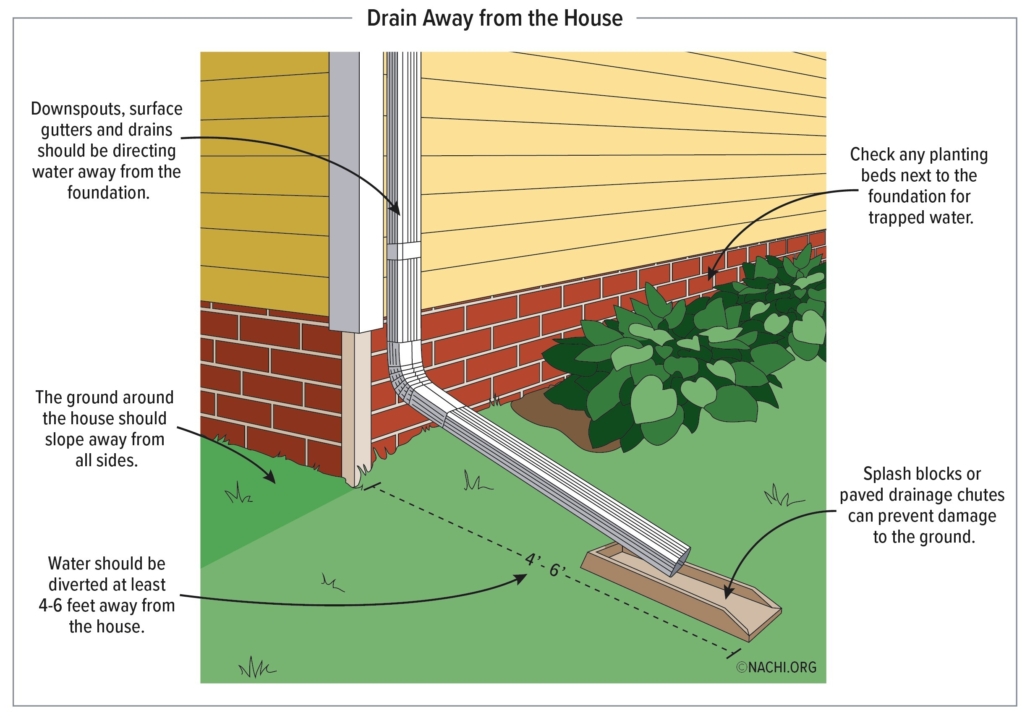
During a home inspection, drainage is evaluated by looking at how water flows away from the home. When water is allowed to collect near the foundation, it can lead to moisture intrusion, wood rot, mold growth, and long-term structural concerns.
Common Drainage Issues Found During Inspections
Some of the most frequent drainage-related concerns include:
- Soil that slopes toward the home instead of away from it
- Standing water near the foundation after rain
- Gutters that are clogged, damaged, or missing
- Downspouts that discharge too close to the structure
- Splash-back staining or erosion at the base of exterior walls
These conditions can allow excess moisture to enter crawlspaces, basements, or slab foundations.
Why Drainage Problems Matter
Poor drainage doesn’t always cause immediate damage, but over time it may contribute to:
- Foundation movement or cracking
- Moisture damage to framing and flooring
- Mold or fungal growth
- Pest activity attracted by damp conditions
How a Home Inspection Helps
A home inspection includes a visual evaluation of exterior grading, drainage components, and moisture-related conditions. While inspectors do not design drainage systems, they can identify observable concerns and recommend further evaluation or improvements when needed.
Addressing drainage issues early — especially after periods of heavy rain — can help protect your home and prevent costly repairs in the future.


Leave a Reply
Want to join the discussion?Feel free to contribute!